
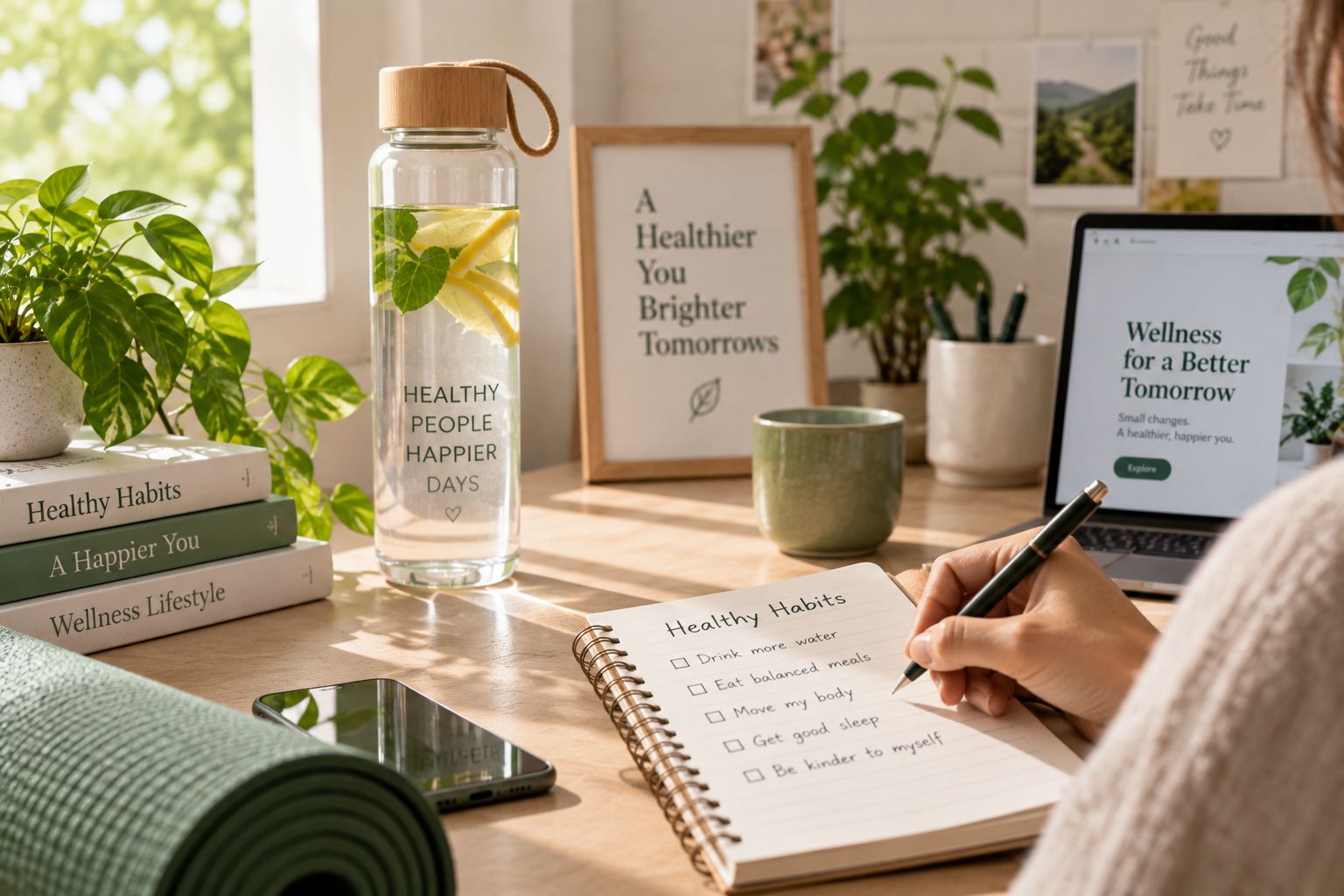
Wellness does not have to mean following a complicated routine or changing your entire lifestyle overnight. For many people, a healthier routine starts with a few simple habits that fit naturally into everyday life.
A wellness routine can include many different areas of daily life, including nutrition, physical activity, sleep, stress management, hydration, personal time and the way you organize your day. The goal is not perfection. It is creating habits that are realistic enough to continue over time.
What does a wellness routine mean?
A wellness routine is simply a collection of habits and activities that support your overall well-being. It can look different from person to person because everyone's schedule, preferences, responsibilities and needs are different.
For one person, a wellness routine may include a morning walk and a balanced breakfast. For another, it may mean preparing meals at home, getting consistent sleep and setting aside time to relax.
There is no single routine that everyone needs to follow. A useful routine is one that fits your life.
Start with a few simple goals
Trying to improve everything at the same time can make a new routine difficult to maintain. Instead, start by identifying one or two areas you would like to improve.
Your goal might be becoming more active, improving your eating habits, getting more consistent sleep, drinking more water, spending less time sitting or creating more time for yourself.
Once a habit becomes more comfortable, you can gradually introduce another change.
Build your routine around everyday habits
The most useful wellness habits are often simple enough to repeat regularly. Small actions can become easier when they are connected to things you already do every day.
- Morning movement: Start the day with stretching, walking or another activity you enjoy.
- Balanced meals: Include a variety of nutritious foods throughout the day.
- Hydration: Keep water available and drink regularly according to your individual needs.
- Regular sleep: Try to maintain a consistent sleep and wake schedule.
- Breaks from sitting: Stand up, stretch or move around during long periods of sitting.
- Relaxation: Make room for activities that help you unwind.
Make healthy eating practical
Healthy eating does not require completely changing the foods you enjoy. A practical approach is to build meals around a variety of vegetables, fruits, whole grains, protein-rich foods and other nutrient-dense choices that fit your preferences.
Planning a few meals ahead can make healthy choices easier on busy days. Keeping convenient foods such as fruit, yogurt, eggs, vegetables, beans or whole-grain options available can also reduce the need to rely on last-minute choices.
Flexibility matters too. Social events, restaurant meals and occasional treats can all fit into an overall balanced eating pattern.
Find movement you actually enjoy
Physical activity does not have to mean spending hours at a gym. Walking, cycling, swimming, dancing, stretching, recreational sports and strength exercises are all examples of ways to become more active.
Choose activities that match your interests and current fitness level. If you have been inactive, starting with shorter sessions can make it easier to build consistency.
The most useful activity is often the type you enjoy enough to keep doing.
Create a better sleep routine
Sleep is an important part of overall wellness. A consistent routine can make it easier to prepare your body and mind for rest.
Consider keeping regular sleep and wake times, creating a comfortable sleeping environment and reducing activities that make it harder to wind down before bed.
Individual sleep needs vary. If you regularly have difficulty sleeping or have concerns about your sleep, consider discussing them with a qualified healthcare professional.
Make time for stress management
Stress is a normal part of life, but finding healthy ways to manage it can support your overall well-being.
Different approaches work for different people. Walking, exercise, breathing exercises, hobbies, social connection, journaling and quiet time can all be ways to create space to reset.
You do not need to eliminate stress completely. The goal is to develop healthy ways of responding to everyday demands.
Pay attention to hydration
Water is a simple part of everyday wellness. Your hydration needs can vary depending on factors such as activity, environment, diet and individual circumstances.
Keeping a water bottle nearby can make drinking water more convenient. Water can also be included throughout the day with meals and during physical activity.
Reduce long periods of inactivity
Modern routines can involve long periods of sitting, particularly when working at a desk or spending time on screens.
Small movement breaks can make your day more active. Stand up periodically, walk around your home or workplace, stretch between tasks or take a short walk when practical.
You do not need to turn every break into a workout. The purpose is simply to introduce more movement into your normal day.
Do not make your routine too complicated
A routine with too many rules can become difficult to follow. If every meal, workout and activity requires extensive planning, it may become another source of stress.
Start with habits that are easy to understand and repeat. Once they become part of your normal schedule, you can decide whether additional changes are useful.
Use your environment to support your habits
Your surroundings can influence how easy it is to follow a routine. Small changes to your environment can make healthier choices more convenient.
- Keep water visible and easy to reach.
- Keep nutritious foods available for quick meals and snacks.
- Place walking shoes somewhere easy to access.
- Keep frequently used wellness items organized.
- Create a comfortable space for relaxation or stretching.
- Reduce unnecessary distractions when you want to focus on a routine.
Track progress without becoming obsessed
Tracking can help you understand your habits, but it does not need to become complicated. You might simply record whether you walked, exercised, prepared a meal at home or followed your planned sleep schedule.
The purpose of tracking is to identify patterns and make adjustments. Missing a day does not mean you have failed. Simply return to your routine when you can.
Expect your routine to change
Your wellness routine may need to change as your schedule and circumstances change. Travel, work, family responsibilities, holidays and other events can all affect your habits.
A flexible routine is often easier to maintain than one that depends on perfect circumstances. When your normal routine is disrupted, focus on the habits that are most practical at that time.
How to stay consistent
Consistency does not mean doing everything perfectly every day. It means returning to useful habits regularly.
Try connecting new habits to existing routines. For example, you might stretch after waking up, take a walk after lunch or prepare tomorrow's breakfast while making dinner.
Making a habit convenient can reduce the amount of effort required to start it.
Choose wellness habits that fit your preferences
Your preferences matter. If you dislike running, there are many other ways to become active. If complicated meal preparation does not fit your schedule, simple meals can still be useful.
The purpose of a wellness routine is to support your life rather than make everyday life unnecessarily difficult.
When professional guidance may be appropriate
General wellness information can be useful for everyday habits, but it is not a substitute for individualized healthcare.
If you have a medical condition, persistent symptoms, specific dietary requirements or questions about exercise related to your health, consider speaking with an appropriate qualified healthcare professional.
A simple wellness routine to start with
If you are not sure where to begin, keep your first routine simple.
- Drink water regularly throughout the day.
- Include a variety of nutritious foods in your meals.
- Take regular opportunities to move and reduce long periods of sitting.
- Choose an activity you enjoy and make it part of your week.
- Keep a reasonably consistent sleep schedule.
- Set aside some time for relaxation or activities you enjoy.
- Review your routine every few weeks and adjust what is not working.
The bottom line
A wellness routine does not need to be complicated to be useful. Start with a few practical habits involving food, movement, sleep, hydration and stress management.
Focus on changes that fit your schedule and preferences rather than trying to follow someone else's perfect routine. Small improvements that you can continue are often more practical than extreme changes that are difficult to maintain.
Wellness is an ongoing process, so give yourself room to adjust your routine as your needs and circumstances change.